
Delving into the History of education systems reveals a fascinating journey through time, showcasing how various cultures and ideologies have shaped learning. From the ancient schools of Greece and China to today’s modern educational frameworks, the evolution of education reflects not only the pursuit of knowledge but also the societal values and needs of each era.
This exploration highlights significant educational philosophers who have influenced teaching methodologies and the diverse adaptations of education systems across different societies. Understanding these historical roots provides valuable insight into the complexities of education today and its continuous evolution.
Historical Development of Education Systems
The evolution of education systems has been a dynamic journey, reflecting cultural, social, and economic changes throughout history. From the structured learning of ancient civilizations to the diverse educational models of today, each phase has contributed to shaping the knowledge and skills necessary for societal development. This historical overview explores the progression of education systems, highlighting key philosophers and cultural variances that have influenced educational practices.
Ancient Civilizations and Their Educational Practices
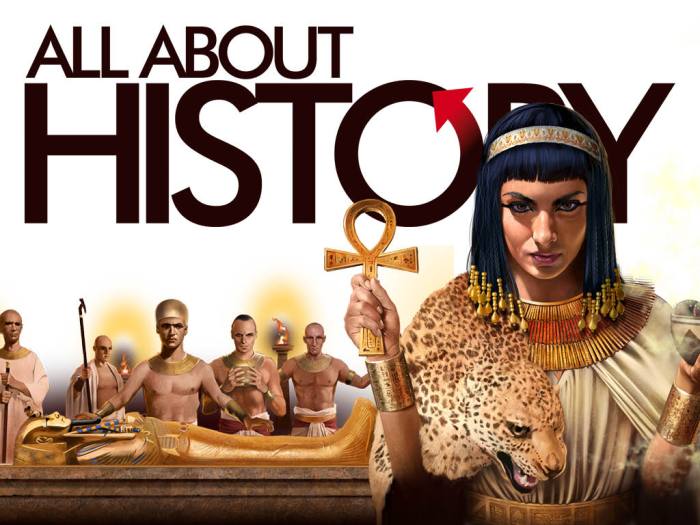
Education systems can trace their roots back to ancient civilizations, where formal learning began to take shape. In ancient Egypt, education was primarily reserved for the elite, focusing on writing, mathematics, and religious teachings. The use of hieroglyphics necessitated a structured approach to learning, often carried out in temple schools. Meanwhile, in ancient Greece, philosophers like Socrates, Plato, and Aristotle laid the groundwork for critical thinking and inquiry-based learning.
Ancient China also established notable educational practices, particularly during the Han Dynasty, where Confucian ideals emphasized moral and ethical teachings. The imperial examination system introduced in this era allowed for merit-based selection of government officials, showcasing a significant leap towards organized education.
Significant Educational Philosophers and Their Impact
Throughout history, several philosophers have made profound contributions to educational theory and practice.
-
John Dewey’s emphasis on experiential learning and democratic education paved the way for progressive education in the 20th century.
-
Maria Montessori’s child-centered approach revolutionized early childhood education, focusing on individual learning paths and hands-on activities.
-
Jean Piaget’s theories on cognitive development emphasized the importance of understanding how children learn at different stages, influencing curriculum design.
These philosophers have significantly shaped modern education systems, advocating for critical thinking, hands-on learning, and the importance of adapting teaching methods to meet the needs of diverse learners.
Cultural Variations in Education Systems
Education systems have varied widely across different cultures and societies, influenced by historical context, values, and available resources.
- In Scandinavian countries, education systems emphasize inclusivity and equality, with free access to education and a focus on lifelong learning.
- In contrast, the rigid examination system prevalent in many East Asian countries prioritizes standardized testing, often leading to a highly competitive educational environment.
- Indigenous education systems, such as those found among Native American tribes, prioritize oral traditions and community-based learning, contrasting sharply with formal, structured approaches.
These examples illustrate how education systems are not universally applicable; rather, they reflect the unique cultural identities and historical circumstances of each society. The global landscape of education continues to evolve, with each system carrying its own historical significance.
Influence of Society on Education Systems
As societies evolve, their educational frameworks often undergo significant transformations influenced by various factors such as industrialization, globalization, and social movements. These shifts not only reflect the changing needs of society but also play a crucial role in shaping the very fabric of educational policies and practices. Understanding the interplay between societal changes and education systems reveals a dynamic relationship that has evolved over decades.
Impact of Industrialization and Globalization
The waves of industrialization in the 19th and 20th centuries marked a pivotal moment for education systems worldwide. The transition from agrarian economies to industrial powerhouses necessitated a workforce equipped with specific skills, leading to a more structured form of education. Schools began to emphasize subjects that fostered critical thinking and problem-solving, aligning with the needs of emerging industries.Globalization further accelerated these changes, introducing a multicultural perspective to education.
New technologies and communication networks enabled cross-border exchanges of knowledge, prompting educational institutions to integrate global contexts into their curricula. This shift is evident in the rise of international schools and programs that focus on global citizenship, preparing students for an interconnected world.
Relationship Between Military Needs and Education
Throughout history, military needs have significantly influenced the development of education systems. Governments have often established educational institutions to prepare citizens for military service or to ensure a skilled workforce that can support national defense initiatives. For instance, during the Cold War, the United States emphasized science and mathematics education to maintain technological superiority over its rivals.In many cases, military academies have played a dual role by providing higher education while also instilling discipline and leadership skills in young individuals.
As a result, societies have witnessed the emergence of specialized programs aimed at fostering technical skills necessary for military advancements, which have often been repurposed for civilian careers.
Effects of Social Movements and Reforms
Social movements have historically driven significant reforms within education systems, advocating for equity, access, and inclusivity. The civil rights movement in the United States, for example, led to desegregation in schools and the establishment of policies aimed at reducing educational disparities among racial and socioeconomic groups. In more recent times, movements advocating for gender equality have prompted reforms that seek to empower women through education, leading to increased enrollment rates in secondary and higher education across various nations.
Educational policies have also evolved in response to demands for recognition of diverse identities, resulting in curricula that reflect multicultural perspectives and promote inclusivity.The influence of society on education systems is marked by a continuous interplay of changing needs, ideologies, and values. This evolution showcases how education not only serves as a tool for personal development but also as a reflection of broader societal dynamics.
Comparative Education Systems Across Eras
The evolution of education systems throughout history reflects significant societal changes and cultural shifts. By examining the education frameworks of various periods, such as the Middle Ages and the Enlightenment, we gain insight into how these systems adapted to meet the needs of their times. This comparative analysis reveals both contrasts and similarities that highlight the influence of historical context on educational practices.During the Middle Ages, education was predominantly centered around religious institutions, primarily the Church, which governed the curriculum and access to learning.
This period emphasized rote memorization and moral instruction, with a strong focus on theology. In contrast, the Enlightenment sparked a revolution in educational thought, promoting reason, science, and the value of individualism. Educational reformers during this time, such as John Locke and Jean-Jacques Rousseau, championed the idea of education as a means of personal and societal improvement, leading to a more secular and diverse curriculum.
Education Systems’ Responses to Societal Demands
Education systems have historically responded to the demands of society, especially during times of conflict and peace. The following points illustrate how educational frameworks adapted to these circumstances:
- During periods of war, such as World War I and II, educational systems often shifted to prioritize military training and patriotic education, instilling a sense of national identity and purpose among students.
- In times of peace, educational institutions have focused on fostering critical thinking and creativity, encouraging students to engage with social issues and innovate solutions.
- Economic shifts, like the Industrial Revolution, necessitated a move toward technical and vocational education to prepare students for an evolving job market.
- Social movements, such as the Civil Rights Movement in the 1960s, propelled reforms aimed at inclusion and diversity within educational curricula and access.
Key Features of Various Education Systems Across Regions and Historical Contexts
The table below summarizes the key features of education systems in different regions and their historical contexts, providing a snapshot of how education has evolved over time.
| Region | Period | Key Features |
|---|---|---|
| Europe | Middle Ages | Religious instruction, focus on theology, limited access to education, primarily for the elite. |
| Europe | Enlightenment | Emphasis on reason, scientific inquiry, secular education, and individual rights. |
| United States | Post-Civil War | Expansion of public education, focus on universal access, and inclusion of diverse populations. |
| Asia | 20th Century | Rapid modernization in countries like Japan, focus on technical education, and adaptation to global standards. |
| Africa | Post-Colonial Era | Reforms aimed at decolonization of education, emphasis on indigenous knowledge, and improving literacy rates. |
“Education is the most powerful weapon which you can use to change the world.”
Nelson Mandela
Closing Summary
In summary, the History of education systems illustrates a dynamic interplay between societal changes and educational practices. As we reflect on this rich narrative, it’s clear that education is a living, evolving entity that must adapt to the shifting demands of society while retaining its core mission of fostering knowledge. The lessons learned from the past serve as a guiding light for future advancements in education.
FAQ Section
What are the main factors influencing education systems?
The main factors include cultural values, economic conditions, technological advancements, and societal needs.
How did philosophers impact education systems?
Philosophers introduced ideas about critical thinking, moral education, and the purpose of schooling, shaping curricula and teaching methods.
What role did wars play in education systems?
Wars often led to educational reforms aimed at preparing citizens for military service and rebuilding societies.
How do education systems differ globally?
Education systems vary based on cultural contexts, government policies, and economic resources, resulting in distinct teaching styles and curricula.
What is the significance of educational reforms?
Educational reforms are crucial for adapting to changing societal needs, improving access to education, and enhancing the quality of learning.


