
History of democracy is a fascinating journey that reveals how power has shifted from monarchies to the hands of the people over centuries. It invites us to explore the origins of democratic ideals in ancient Greece, where the seeds of civic participation were sown, and the significant contributions of Roman governance that laid foundational principles we recognize today.
As we delve deeper, we discover the transformative influence of Enlightenment thinkers whose ideas sparked revolutions and reform movements across the globe, forever altering the course of human governance. By examining various democratic systems and landmark events, we begin to grasp how different societies have interpreted democracy through their unique cultural lenses.
The Origins of Democracy
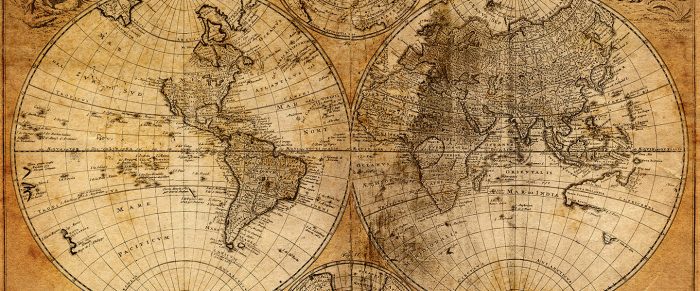
The concept of democracy has deep historical roots, with its earliest manifestations found in ancient societies that laid the groundwork for modern governance. The development of democratic principles occurred through various iterations across different cultures, primarily in Greece and Rome, before being shaped by Enlightenment thinkers in Europe. Understanding these origins provides insight into the evolution of democratic systems today.
Early Forms of Democracy in Ancient Greece
Ancient Greece is often hailed as the cradle of democracy, particularly the city-state of Athens, where a direct form of democracy allowed citizens to participate in decision-making. This system had profound societal implications, as it empowered free male citizens to vote on laws and policies, fostering a sense of collective responsibility and civic involvement. The assembly, known as the
- Ekklesia*, was where citizens gathered to voice their opinions and vote, establishing a precedent for public debate and political engagement.
- The notion of citizenship was exclusive, limited to free males, and excluded women, slaves, and foreigners, highlighting the limitations of Athenian democracy.
- The development of democratic institutions such as the
- Boule*, a council of 500 citizens responsible for preparing legislation, exemplified the structured approach to governance.
- Public participation in government meetings emphasized the importance of civic duty and the belief that governance should reflect the will of the people.
“Democracy is the government of the people, by the people, for the people.”
Role of Roman Governance in Shaping Democratic Principles
The Roman Republic contributed significantly to the evolution of democratic ideals, introducing concepts such as representative governance and the rule of law. Although Rome had a mixed form of government, with elements of monarchy, aristocracy, and democracy, it laid the foundation for later democratic systems through innovations in political organization.
- The Senate, composed of elected representatives, served as a powerful body that influenced legislation and governance, promoting the idea of representation.
- Roman law codification established legal frameworks that emphasized individual rights and responsibilities, shaping modern legal systems.
- Practices such as the separation of powers, where different branches of government held distinct responsibilities, became essential elements in later democratic theorization.
Influence of Enlightenment Thinkers on Modern Democratic Systems
The Enlightenment era brought forth a wave of philosophical thinking that profoundly impacted democratic principles. Thinkers like John Locke, Montesquieu, and Jean-Jacques Rousseau challenged traditional authority and advocated for individual rights, equality, and the social contract.
- John Locke’s ideas on natural rights and governance by consent emphasized the importance of individual freedoms, leading to the belief that governments should be accountable to the people.
- Montesquieu introduced the concept of the separation of powers, arguing against the concentration of authority and advocating for checks and balances within government structures.
- Rousseau’s notion of the general will argued for a collective decision-making process, laying the groundwork for participatory democracy.
These Enlightenment ideas directly influenced the creation of modern democratic documents, such as the United States Declaration of Independence and the French Declaration of the Rights of Man and of the Citizen, highlighting the shift towards governance based on the principles of liberty, equality, and fraternity.
Evolution of Democratic Systems
The evolution of democratic systems is a complex journey shaped by various cultural, historical, and social influences. Democratic governance has taken many forms across different societies, each reflecting the unique values and aspirations of its people. Understanding these differences not only highlights the rich tapestry of democracy but also sheds light on how societies have responded to the call for representation and participation over time.Comparing the evolution of democratic systems across the globe reveals significant variations influenced by geography, culture, and historical context.
For example, ancient Athens is often credited with establishing one of the earliest forms of direct democracy, where citizens participated directly in decision-making. In contrast, modern representative democracies, such as those found in the United States and many Western nations, rely on elected officials to represent the interests of the populace. The following points illustrate landmark events and societal influences that have shaped democratic evolution.
Landmark Events Promoting Democratic Change
Throughout history, several pivotal events have catalyzed shifts toward more democratic governance. These events often reflect broader societal changes and highlight the struggles for civil rights, representation, and justice.
- The American Revolution (1775-1783): This conflict led to the establishment of a constitutional democracy, emphasizing individual rights and freedoms. The Declaration of Independence articulated the idea that government derives its power from the consent of the governed, a foundational principle in democracy.
- The French Revolution (1789): The overthrow of the monarchy in France brought forth the concepts of liberty, equality, and fraternity, paving the way for the establishment of democratic ideals in Europe. It challenged the divine right of kings and introduced the idea of popular sovereignty.
- The Suffragette Movement (late 19th to early 20th centuries): The fight for women’s right to vote in many countries transformed democratic participation, emphasizing gender equality in civic life. This movement highlighted the importance of inclusion in democratic processes.
- The End of Apartheid in South Africa (1994): The transition from a racially segregated regime to a democratic government underscored the fight against oppression and the importance of every citizen’s voice in shaping governance.
Influence of Societal Structures on Democracy
The development of democratic systems has been significantly influenced by underlying societal structures, including class, culture, and economic conditions. These factors often dictate how democracy is perceived and implemented within a society.
- Cultural Values: Societies that prioritize individualism and personal freedom, such as in many Western nations, tend to develop democratic systems that emphasize personal liberties and rights. Conversely, collectivist cultures may adopt systems that reflect community values, which can sometimes lead to different interpretations of democratic governance.
- Economic Development: Wealthier nations often have more resources to support democratic institutions and civil societies. Economic stability can foster an environment conducive to democratic processes, as seen in many Scandinavian countries where high levels of wealth correlate with strong democratic practices.
- Social Movements: Grassroots movements and civil society organizations play a crucial role in promoting democratic ideals. Such movements can mobilize citizens and create pressure for reform, as seen in the civil rights movement in the United States and the Arab Spring in various Middle Eastern nations.
“Democracy is not merely the absence of authoritarianism but the presence of participatory governance where every voice matters.”
The Intersection of Society and Military in Democracy
The interplay between military forces and democratic governance has been a defining feature in the journey of many nations. Military conflicts not only shape the political landscape but also influence societal structures, often leading to significant changes in governance and civil rights. Understanding this intersection is vital to recognize how military power can both bolster and undermine democratic processes.The influence of military conflicts on democratic governance is profound and multifaceted.
Wars, revolutions, and military coups have historically acted as catalysts for change, often redirecting the course of a nation’s political system. For instance, military involvement in political affairs can lead to the establishment of democratic institutions when the military steps back from power. However, it can also result in authoritarian regimes where military priorities overshadow civilian governance.
Impact of Military Conflicts on Democratic Governance
Military conflicts have often resulted in profound alterations to democratic governance frameworks. The aftermath of such conflicts typically presents opportunities for reforms or the establishment of new political systems. Here are a few notable instances:
- Post-World War II Japan: Following Japan’s defeat in World War II, the U.S. led efforts to revamp the country’s political system, resulting in a new constitution that emphasized democratic principles and civil liberties.
- Latin American Military Coups: In the mid-20th century, numerous Latin American countries experienced military coups that temporarily dismantled democracies. For example, Chile’s 1973 coup led to a prolonged dictatorship, but the eventual restoration of democracy was influenced by civil resistance movements.
- The Arab Spring: In 2011, widespread protests across the Arab world sought to challenge authoritarian regimes. Military responses varied, with some militaries aligning with the populace, while others suppressed movements, influencing the trajectory of democratic transitions in countries like Tunisia and Egypt.
The Role of Civil Society During Military Rule
Civil society plays a crucial role in either promoting or hindering democratic processes during periods of military rule. Its ability to mobilize the public and advocate for democratic rights can significantly influence the outcome of military governance. Civil society organizations often serve as a voice for marginalized populations and can be instrumental in fostering democratic ideals. During military rule, civil society can take various forms, including non-governmental organizations, grassroots movements, and activist groups.
Their actions can either challenge military authority or inadvertently support it through passive compliance. The strength and resilience of civil society are often tested during these tumultuous times, with varying outcomes:
- South Africa’s Anti-Apartheid Movement: Civil society played a vital role in opposing the apartheid regime, mobilizing mass protests and advocating for democratic rights. This collective action ultimately contributed to the end of military-backed segregation policies.
- Egypt’s Revolution: In 2011, numerous civil society organizations were at the forefront of the protests against President Mubarak’s regime. Their efforts highlighted the power of collective action, although the subsequent military takeover demonstrated the fragility of democratic gains.
- Myanmar’s Civil Disobedience Movement: Following the 2021 military coup, civil society mobilized swiftly to oppose the junta, utilizing nonviolent resistance tactics, which showcased the vital role of civic engagement in resisting authoritarianism.
Historical Case Studies of Military Interventions
Examining historical case studies sheds light on how military interventions have impacted democratic transitions. These examples illustrate the complexities and consequences of military involvement in governance:
- Turkey (1980 Coup): A military coup in Turkey in 1980 resulted in a period of martial law. While the military claimed to restore order, it led to widespread human rights violations and a delayed return to civilian governance, illustrating the challenges of re-establishing democracy post-intervention.
- Brazil (1964 Military Coup): The Brazilian military coup in 1964 ousted a democratically elected president. The military regime that followed lasted for two decades, suppressing dissent and curtailing civil liberties, establishing a framework that took years to dismantle.
- Argentina’s Dirty War: Between 1976 and 1983, the military dictatorship in Argentina carried out widespread repression. The aftermath led to a significant societal reckoning and ultimately a return to democratic governance, showcasing the long-term effects of military rule on civil society.
Conclusion
In summary, the history of democracy not only chronicles the evolution of governance but also highlights the interplay between society, military conflicts, and civic engagement. It serves as a reminder of the ongoing journey toward achieving true democracy, encouraging us to reflect on the struggles and triumphs throughout history that continue to shape our world today.
Questions and Answers
What was the first known democracy?
The first known democracy is often attributed to Athens in ancient Greece around the 5th century BCE.
How did the Roman Republic influence democracy?
The Roman Republic introduced concepts such as representative governance and checks and balances that influenced modern democratic systems.
What role did Enlightenment thinkers play in democracy?
Enlightenment thinkers like John Locke and Montesquieu advocated for individual rights and the separation of powers, shaping contemporary democratic thought.
How do military conflicts impact democratic governance?
Military conflicts can both hinder and promote democratic transitions, as they may disrupt existing power structures or create opportunities for reform.
Why is civil society important for democracy?
Civil society plays a crucial role in promoting democratic values, ensuring accountability, and facilitating public participation in governance.


